Contents:
Digital validation is the systematic use of electronic systems and automated processes to ensure pharmaceutical manufacturing equipment, computer systems, and processes consistently meet predetermined quality standards and regulatory requirements. Unlike simply digitizing paper forms, digital validation transforms validation from a document-centric burden into an intelligent, data-driven strategy validation process that embeds compliance into daily operations while accelerating time-to-market.
Core components of digital validation
A comprehensive digital validation strategy encompasses four foundational elements that work together to create a robust compliance framework:
- Automated workflows: Electronic routing and approval processes that eliminate manual handoffs and reduce validation cycle times by 30-50%
- Real-time data capture: Continuous monitoring and documentation that creates contemporaneous records meeting ALCOA+ principles automatically
- Electronic audit trails: Unalterable records of all actions, changes, and approvals that satisfy 21 CFR Part 11 requirements
- Centralized platforms: Cloud-based validation strategy models that provide single-source-of-truth visibility across multiple sites and systems
Key technologies enabling digital validation
Digital validation software leverages advanced technologies to transform validation operations:
- Digital signature validation: Cryptographic authentication ensuring electronic signatures meet regulatory requirements and provide non-repudiation
- Cloud computing: Scalable SaaS platforms that eliminate infrastructure overhead while enabling rapid deployment and automatic updates
- AI and analytics: Intelligent systems that automate risk assessments, predict validation bottlenecks, and optimize resource allocation
- Integration capabilities: APIs connecting validation platforms with existing GxP systems like LIMS, MES, and quality management systems
- Mobile access: Remote capabilities enabling validation activities from any location, supporting distributed teams and global operations
Benefits of implementing digital validation
Organizations adopting digital validation strategies realize significant advantages:
- Accelerated timelines: 40-60% reduction in validation cycle times, enabling faster product launches and technology adoption
- Enhanced compliance: Automated audit trails and electronic records that exceed regulatory expectations and simplify inspections
- Cost reduction: Elimination of paper-based processes, saving 100+ FTE hours per validation project
- Improved quality: Consistent application of validation standards and elimination of transcription errors
- Audit readiness: Continuous compliance state with instant access to complete validation documentation
- Operational visibility: Real-time dashboards providing enterprise-wide validation status and resource utilization
Challenges and considerations
Despite compelling benefits, organizations must address several challenges when implementing digital validation:
- Change management: Overcoming resistance from teams accustomed to paper-based processes through comprehensive training and stakeholder engagement
- Legacy system integration: Connecting modern digital platforms with aging infrastructure that lacks standard integration capabilities
- Initial investment: Upfront costs for software licensing, implementation, and training that must be balanced against long-term ROI
- Data migration: Transferring historical validation data from paper and disparate electronic systems into centralized platforms
- Regulatory validation: Ensuring digital validation software itself undergoes proper computer system validation before production use
What is the meaning of digital validation?
Digital validation is the systematic use of electronic systems that ensure pharmaceutical processes consistently meet quality standards. This validation strategy definition goes beyond basic digitization to create an ecosystem where data flows seamlessly and compliance management becomes embedded into operations.
A robust data validation strategy ensures information integrity from capture through archival. It requires implementing digital validation software that manages complex lifecycles across sites and systems, demanding a cultural shift where validation becomes a competitive advantage rather than a burden.
Digital validation vs. traditional paper-based validation
Traditional paper-based validation relies on physical documentation and sequential approval processes, taking weeks or months. Digital validation transforms this by using automated workflows that route documents to reviewers automatically, reducing cycles by 30-50%. Electronic audit trails create unalterable records that satisfy regulatory requirements, while real-time dashboards enable proactive management.
The true value lies in improved quality and compliance. Digital systems eliminate transcription errors and ensure consistent application of standards, creating complete traceability from requirements through qualification, as regulators increasingly expect.
Digital validation examples
Computer system validation (CSV)
Computer system validation remains a cornerstone of digital validation strategies. CSV ensures computerized systems perform as intended throughout their lifecycle. Every GxP-relevant system must undergo rigorous validation before production use, following a structured lifecycle encompassing planning, specification, design, testing, deployment, and maintenance.
Computer systems assurance (CSA)
Computer Systems Assurance represents an evolution emphasizing risk-based, science-driven approaches over documentation-heavy methods. CSA focuses on critical thinking and leveraging vendor-supplied documentation rather than unnecessary duplication. This risk-based strategy allows organizations to allocate resources effectively, focusing expertise where it matters most.
Analytical method validation and cleaning validation
Digital validation extends beyond computer systems to critical pharmaceutical processes. Analytical method validation ensures testing procedures produce accurate results, while digital platforms capture parameters and acceptance criteria in structured formats. Cleaning validation verifies that equipment cleaning procedures effectively remove residues, with software tracking validation status and managing revalidation schedules.
Why digital validation matters in pharmaceutical and life sciences
The industry operates under intense scrutiny from regulators and stakeholders demanding unwavering quality. Digital validation has evolved to a business imperative, determining organizational success.
Regulatory compliance and data integrity
Data integrity is the focal point of regulatory inspections worldwide. ALCOA+ principles define the gold standard for GxP data. Digital validation systems inherently support these principles by creating electronic records capturing who performed actions, when they occurred, and what changed.
Companies with robust digital validation strategies respond to audits efficiently, producing documentation in minutes and demonstrating proactive quality management. They avoid costly data integrity failures: warning letters, consent decrees, and import alerts. The financial impact can reach hundreds of millions of dollars. Digital validation makes data integrity intrinsic to operations rather than dependent on behavior.
Operational efficiency and keeping pace with innovation
With breakthrough therapies like cell and gene treatments transforming the industry, traditional approaches cannot keep pace. Digital validation enables organizations to adopt new technologies rapidly while maintaining compliance. Automated testing capabilities reduce manual effort while improving coverage, with organizations reporting 40-60% reductions in validation cycle times.
Key regulatory frameworks for digital validation in the pharmaceutical industry
Digital validation strategies must align with multiple regulatory frameworks governing pharmaceutical quality.
FDA process validation guidance and ICH Q10
The FDA's guidance introduced a lifecycle approach to validation, emphasizing continuous process verification throughout the product lifecycle. This three-stage approach begins with Process Design, continues with Process Qualification, and maintains control through Continued Process Verification. ICH Q10 provides the management framework supporting this lifecycle, which digital validation platforms operationalize through technology infrastructure.
GAMP 5 guidelines for computer system validation
GAMP 5 remains the definitive resource for computer system validation, providing a risk-based approach recognizing that different software categories require different strategies. Each category receives proportional validation attention based on complexity, with digital platforms streamlining validation through category-appropriate templates and automating requirements traceability.
21 CFR Part 11 and compliance program guidance
21 CFR Part 11 established requirements for electronic records and signatures. Key requirements ensure that electronic signatures cannot be repudiated, that systems generate time-stamped audit trails, and that only authorized individuals can modify records. Modern guidance emphasizes risk-based approaches and data integrity, with organizations building validation strategies aligning with regulatory expectations.
Examples of validation in life sciences
Organizations must manage multiple validation types simultaneously with distinct requirements.
Process validation
Process validation demonstrates that manufacturing processes consistently produce products that meet specifications. Digital platforms manage complexity by providing process-specific templates and workflows, ensuring consistent approaches.
Computer system validation
Computer system validation ensures GxP-relevant systems perform as intended throughout their lifecycle. Modern approaches emphasize risk-based testing and leveraging vendor documentation, with cloud systems requiring new approaches to infrastructure qualification.
Analytical method validation and equipment qualification
Method validation demonstrates testing procedures provide accurate results, while equipment qualification verifies instruments operate correctly and remain calibrated over time.
Cleaning validation
Cleaning validation confirms that cleaning procedures effectively remove residues and contaminants. Protocols demonstrate procedures consistently achieve limits across equipment surfaces.
How to achieve an effective digital validation strategy
Building successful strategies requires careful planning and stakeholder engagement.
Risk-based approach and stakeholder engagement
ICH Q9 provides principles for applying risk-based thinking to validation. The process includes a continuous cycle, ensuring validation efforts focus on greatest quality impact. Failure Mode and Effects Analysis provides structured approaches for evaluating severity, occurrence probability, and detectability.
Stakeholder engagement ensures strategies address regulatory and business needs. Early engagement prevents misalignment and builds commitment. Digital platforms facilitate approaches by providing tools for risk assessment and maintaining risk registers.
Documentation, traceability, and data validation strategy models
The Validation Master Plan serves as the umbrella document guiding all activities. Individual protocols provide detailed test plans for specific systems, while traceability matrices demonstrate that all requirements have been addressed. Digital software automatically maintains relationships between requirements and test cases, ensuring validation remains up to date as systems evolve.
Implement digital validation software: the key to success
Selecting appropriate software represents a critical success factor for organizations modernizing validation.
Key features and cloud-based solutions
Modern platforms offer comprehensive capabilities, transforming validation from document-centric to data-driven processes. Cloud solutions eliminate infrastructure management overhead and enable rapid deployment. Multi-site organizations benefit from centralized platforms providing consistent validation approaches.
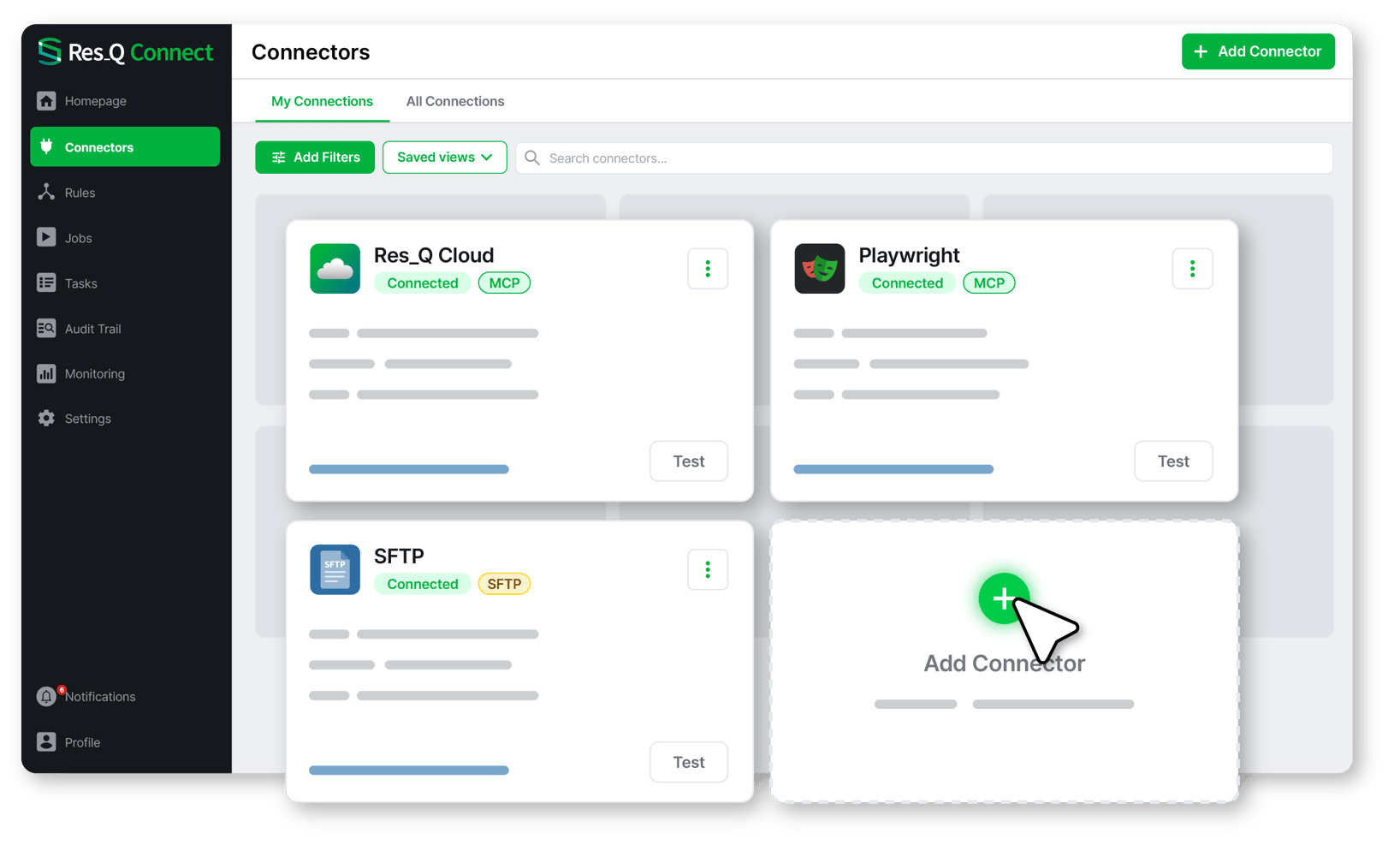
Electronic validation software like Res_Q demonstrates these advantages. As a cloud-native platform, Res_Q automates workflows and provides real-time visibility. Organizations report significant reductions in cycle time while improving compliance.
Digital signature and certificate validation
Digital signature validation ensures electronic signatures meet regulatory requirements. Cryptographic techniques verify the signer's identity and ensure that signed documents remain unaltered. Certificate-based authentication provides strong identity verification, enabling platforms to make compliance transparent to users while maintaining security.
Challenges to face in digital validation
Digital validation faces predictable challenges requiring attention for success.
Change management and legacy system integration
Change management represents the most significant challenge. Successful implementations use comprehensive change management programs engaging stakeholders early. Legacy systems pose technical integration challenges that require custom solutions. The GxP validation process for integrations must validate interfaces and ensure data integrity.
Resource requirements and continuous compliance
Digital validation requires initial investment in software and training. While ROI materializes within 12–18 months, initial investments can challenge organizations. Continuous compliance demands ongoing attention to regulatory developments, with digital platforms simplifying evolution through flexible frameworks.
Best practices for successful digital validation
Organizations excelling at digital validation share standard practices driving success. Start with comprehensive VMPs and develop them collaboratively with stakeholders. Engage stakeholders early to prevent surprises. Leverage automation strategically in repetitive activities while maintaining human critical thinking. Use vendor-supplied documentation as the FDA guidance encourages. Implement robust change control to ensure validation remains up to date. Train continuously as technologies evolve. Monitor and measure performance using KPIs such as validation cycle time and document review duration.
How Sware's Res_Q transforms digital validation
Res_Q exemplifies how purpose-built platforms transform validation from burden to advantage. As a cloud-native solution, Res_Q provides comprehensive validation management, accelerating validation while strengthening compliance.
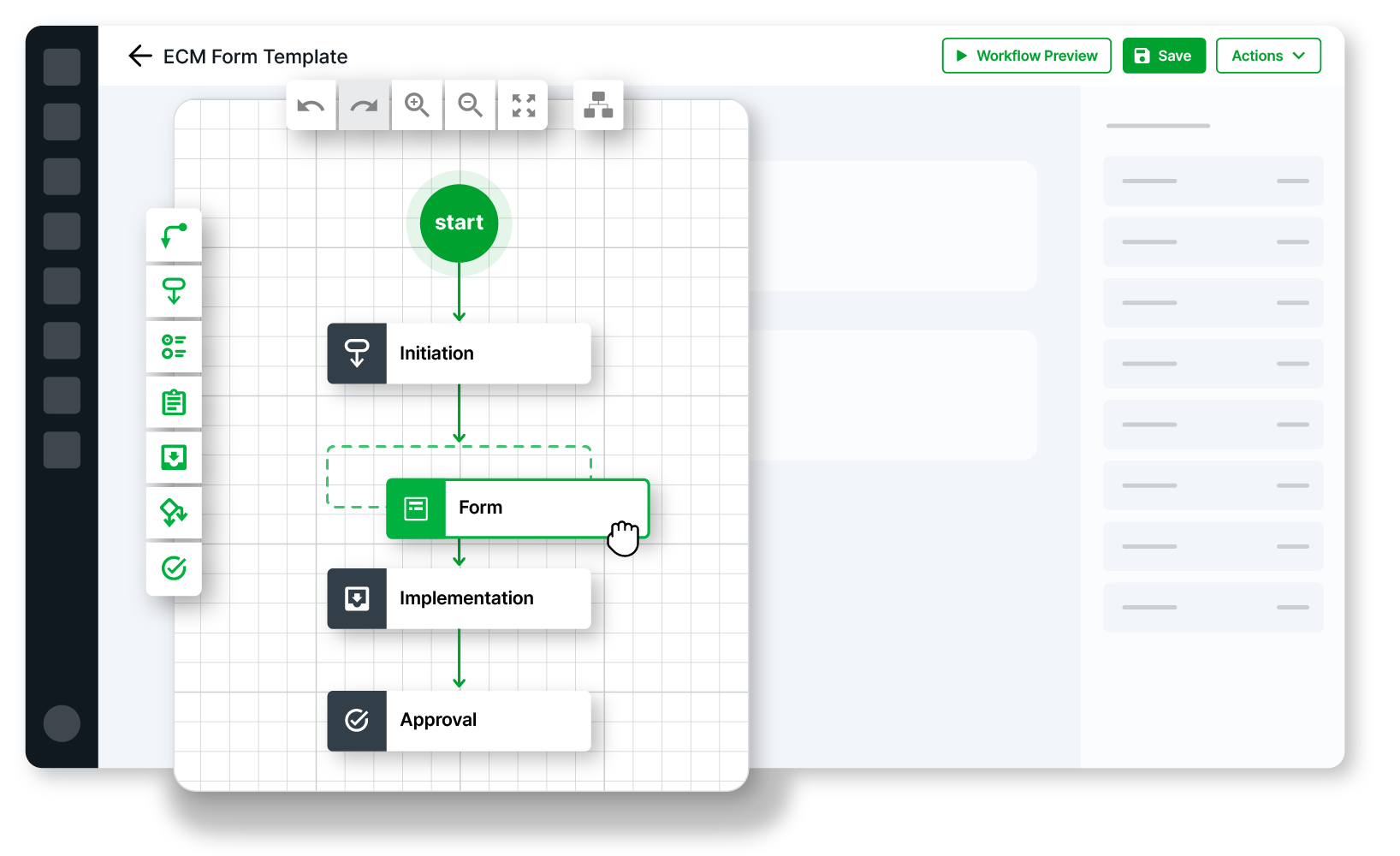
Workflow automation routes protocols through cycles automatically. Requirements traceability matrices automatically maintain relationships between requirements, test cases, and results. Real-time dashboards provide unprecedented visibility into validation status. Integration creates a unified validation ecosystem with complete audit trails across boundaries.
A leading biopharmaceutical company developing cancer and infectious disease treatments implemented Res_Q to address validation challenges. As their SaaS stack grew, validation requirements increased dramatically, with 25-30 releases per year. Legacy processes couldn't scale, creating bottlenecks and delaying innovation.
Results were transformative: they saved approximately 102 FTE hours per validation project, removed all paper-based processes, creating a paperless end-to-end ecosystem, and centralized all processes, increasing visibility and insights. They now maintain audit-readiness continuously while scaling rapidly.
As their Director stated: "Sware is a rare solutions provider providing both disruptive technology and functional experts. Sware provides both the platform and the people needed to excel, saving us time and money and making our lives considerably easier."
FAQ