Contents:
Life science automation is the use of technology to handle routine tasks in labs, manufacturing, and validation processes, improving efficiency, precision, and regulatory compliance while reducing costs and human error. It involves using AI, software, and digital platforms for processes like computer system validation (CSV), data collection, quality assurance, and compliance management, freeing up human workers for more complex tasks like research, analysis, and strategic decision-making. Key benefits include faster time-to-market, more reliable results, reduced validation burden, and improved GxP compliance.
Key Aspects of Life Science Automation
Types of automation:
-
Validation automation (digital platforms for CSV/CSA processes)
-
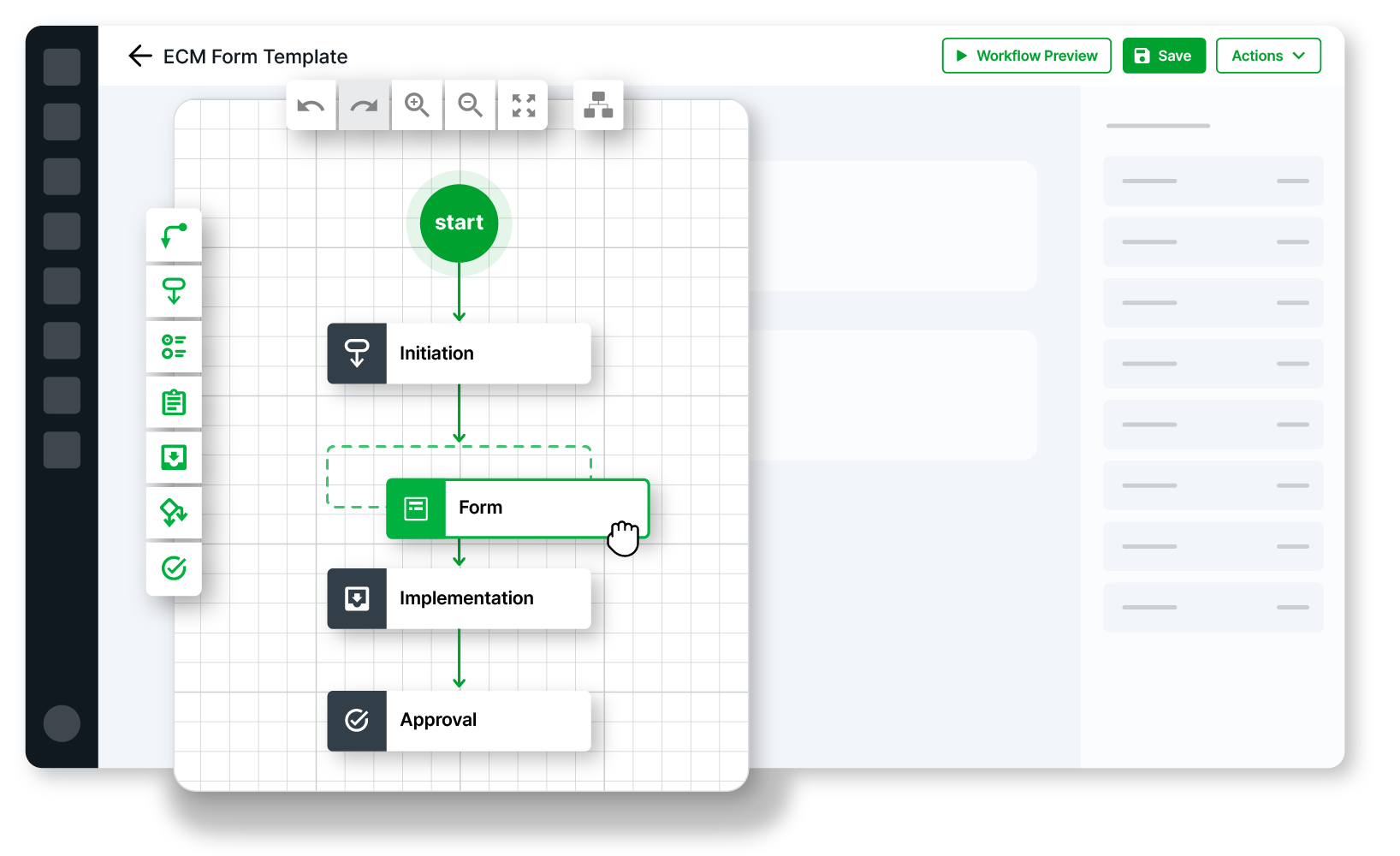
Workflow automation (electronic batch records, approval routing, change control)
-
Testing automation (automated IQ/OQ/PQ execution)
-
Integrated systems (end-to-end validation lifecycle management connecting multiple processes)
Applications:
-
Computer System Validation (CSV): Automating documentation, test execution, and compliance tracking for GxP-regulated systems
-
Quality assurance: Streamlining audit trails, periodic reviews, and deviation management
-
Regulatory compliance: Ensuring alignment with FDA 21 CFR Part 11, EU Annex 11, and GAMP 5 requirements
-
Change management: Managing system updates, releases, and revalidation requirements
Benefits:
-
Efficiency and speed: Automating validation processes reduces cycle times by up to 40% and allows teams to handle higher volumes of releases
-
Accuracy and consistency: Automated systems minimize human error, leading to more reliable and reproducible outcomes
-
Cost savings: Reduces labor costs, validation debt, and waste from rework or compliance failures
-
Regulatory compliance: Provides standardized processes, complete audit trails, and detailed recordkeeping that meets FDA, EMA, and other regulatory requirements
-
Scalability: Enables companies to grow their technology stack without proportionally increasing validation staff
Examples of technologies:
-
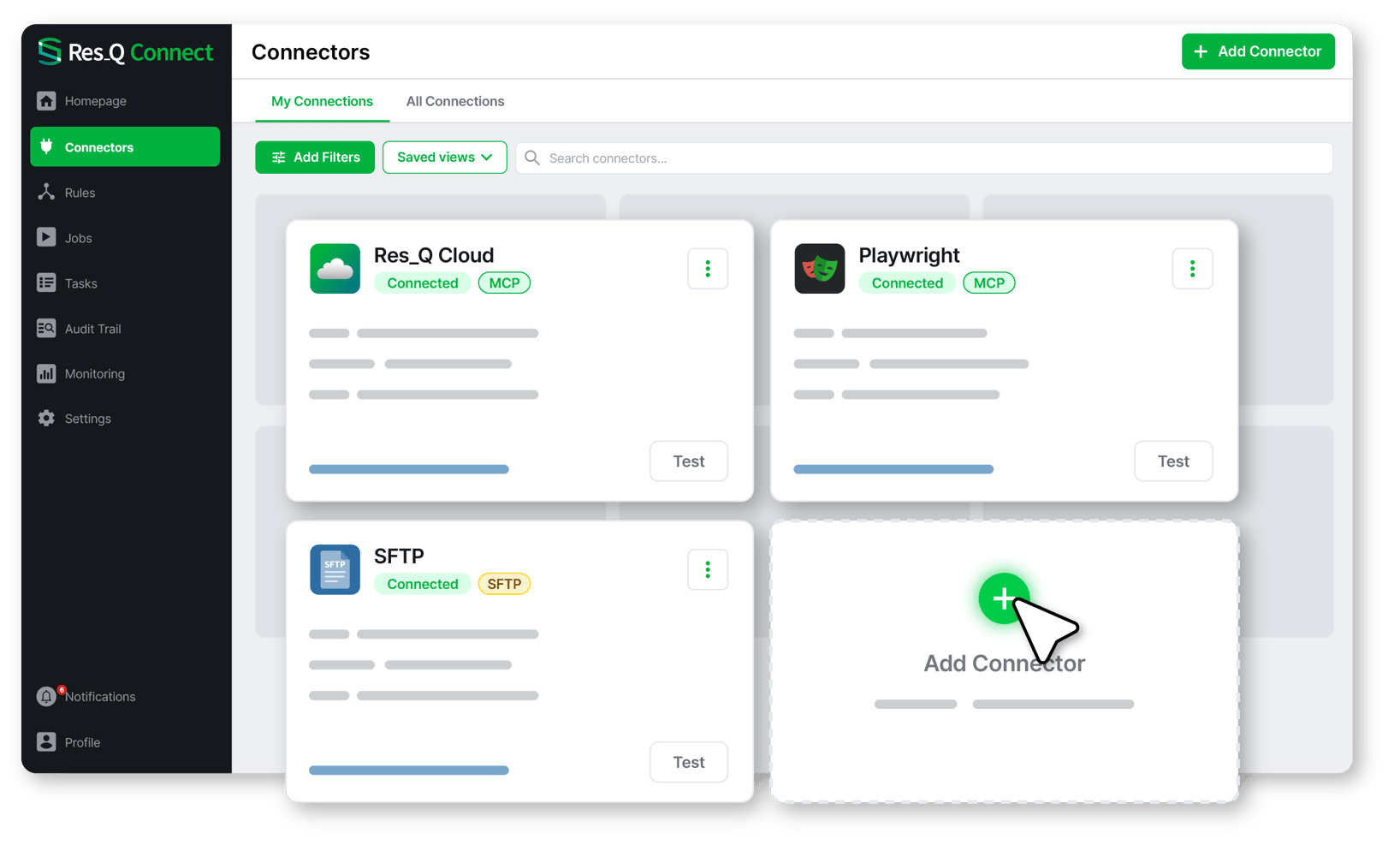
Cloud-based validation platforms (such as Sware's Res_Q)
-
Electronic document management systems
-
Automated testing and verification tools
-
Workflow automation and approval routing systems
-
Real-time compliance monitoring dashboards
Current Landscape of Automation in Life Sciences
The implementation of automation in life sciences has revolutionized how pharmaceutical companies operate, moving from manual, paper-based processes to sophisticated digital workflows that can handle complex tasks with remarkable precision. Today’s pharmaceutical landscape is characterized by an urgent need for faster drug development, stricter regulatory compliance, and improved data integrity. These pressures have made automation not just beneficial, but essential for companies looking to remain competitive.
Trends in Automation Technology
Modern automation in life sciences focuses on improving both efficiency and compliance through integrated technology solutions. Hyper automation in life sciences represents the next evolution of this trend, combining artificial intelligence, machine learning, and robotic process automation to create seamless, end-to-end workflows. This approach allows pharmaceutical companies to automate not just individual tasks, but entire processes that span multiple departments and systems.
The rise of cloud-based solutions has also transformed how companies approach automation. Rather than investing in expensive on-premise infrastructure, organizations can now leverage scalable, validated cloud platforms that provide the same level of security and compliance while offering greater flexibility and cost-effectiveness. This shift has made advanced automation accessible to smaller biotech companies that previously couldn’t afford such sophisticated systems.
Challenges in Implementation
Despite the clear benefits, implementing automation in regulated environments presents unique challenges that don’t exist in other industries. The primary obstacle is the need for extensive validation and documentation to prove that automated systems work correctly and consistently. Every automated process must be thoroughly tested, documented, and approved by regulatory bodies before it can be used in production environments.
Another significant challenge is the complexity of integrating new automated systems with existing legacy infrastructure. Many pharmaceutical companies have invested heavily in older systems that weren’t designed to work with modern automation tools. This creates technical hurdles that require careful planning and often significant investment to overcome.
Change management also presents a major challenge, as employees who have worked with manual processes for years must adapt to new automated workflows. This transition requires comprehensive training programs and ongoing support to ensure that staff can effectively use new systems while maintaining the same high standards of quality and compliance.
Understanding Computer System Assurance (CSA)
Computer System Assurance might sound intimidating, but it’s essentially a modern approach to ensuring that computerized systems in pharmaceutical environments work exactly as they’re supposed to. Unlike traditional validation methods that focus heavily on documentation and testing every possible scenario, CSA takes a more risk-based approach that concentrates on the most critical aspects of system performance.
The concept emerged as a response to the limitations of older validation approaches that were often time-consuming, expensive, and didn’t necessarily improve patient safety or product quality. CSA recognizes that not all system functions carry the same level of risk, so it prioritizes validation efforts on the areas that matter most for patient safety and data integrity.
For companies investing in automation in life sciences, CSA provides a framework that balances thorough validation with practical efficiency. Instead of spending months documenting every minor system function, CSA focuses on understanding how systems impact critical quality attributes and ensuring that appropriate controls are in place to manage risks.
This approach is particularly valuable for organizations implementing hyper automation in life sciences, where multiple interconnected systems must work together seamlessly. CSA provides the structure needed to validate complex automated workflows while maintaining the flexibility to adapt as technology evolves.
Benefits of Automation in Life Sciences
Enhanced Efficiency and Productivity
The most immediate benefit of automation in pharmaceutical operations is the dramatic improvement in efficiency and productivity. Tasks that once required hours of manual work can now be completed in minutes, freeing up skilled professionals to focus on higher-value activities like analysis, decision-making, and innovation. This efficiency gain is particularly pronounced in areas like data collection, report generation, and routine quality control testing.
Automated systems also work around the clock without breaks, sick days, or vacation time. This continuous operation capability allows pharmaceutical companies to maintain consistent production schedules and meet tight deadlines that would be impossible with manual processes alone. The result is faster time-to-market for new drugs and medical devices, which can literally save lives by getting treatments to patients sooner.
Cost-Effectiveness
While the initial investment in automation technology can be substantial, the long-term cost savings are typically significant. Automated systems reduce labor costs, minimize errors that require expensive corrections, and improve overall operational efficiency. Companies adopting automation in life sciences often see return on investment within 12-18 months, with ongoing savings that compound over time.
The cost benefits extend beyond direct labor savings. Automated systems generate more consistent, accurate data, which reduces the risk of regulatory issues that can result in costly delays, recalls, or penalties. The improved data quality also supports better decision-making, leading to more efficient research and development processes.
Improved Data Accuracy and Integrity
Perhaps the most critical benefit of automation in regulated industries is the improvement in data accuracy and integrity. Manual data entry is prone to human error, and even small mistakes can have serious consequences in pharmaceutical manufacturing. Automated systems eliminate many sources of error by capturing data directly from instruments and processes, reducing the risk of transcription mistakes and ensuring that information is recorded consistently.
Modern automated systems also provide complete audit trails that track every action taken within the system. This level of documentation is essential for regulatory compliance and provides investigators with the detailed information they need to understand exactly what happened during any given process or time period.
Compliance Considerations in Automation
Regulatory Frameworks
The regulatory landscape for pharmaceutical automation is complex and constantly evolving. Organizations must navigate requirements from multiple agencies, including the FDA in the United States, EMA in Europe, and various national regulatory bodies around the world. Each of these agencies has specific requirements for how automated systems must be validated, documented, and maintained.
Understanding these regulatory frameworks is crucial for successful automation implementation. The FDA’s 21 CFR Part 11 regulation, for example, establishes specific requirements for electronic records and electronic signatures in pharmaceutical manufacturing. Similarly, the EU’s Annex 11 provides guidance on computerized systems used in GMP environments. Companies implementing automation must ensure their systems comply with all applicable regulations in every market where they operate.
The challenge is that regulatory requirements often lag behind technological capabilities. This means companies must sometimes interpret how existing regulations apply to new technologies, which requires careful analysis and often consultation with regulatory experts. Organizations that get this wrong can face significant penalties, including warning letters, consent decrees, or even facility shutdowns.
Automation for Audits and Compliance
One of the most valuable applications of automation in pharmaceutical operations is in audit preparation and compliance monitoring. Automated systems can continuously monitor key performance indicators, track compliance metrics, and generate reports that demonstrate adherence to regulatory requirements. This ongoing monitoring capability helps companies identify and address potential issues before they become serious problems.
When regulatory inspectors visit pharmaceutical facilities, they expect to see detailed documentation that proves systems are working correctly and that all required procedures are being followed. Automated systems excel at generating this documentation, providing inspectors with the detailed audit trails and performance data they need to verify compliance.
Real-time Monitoring and Reporting
Modern automation systems provide real-time visibility into pharmaceutical operations, allowing quality assurance teams to monitor critical parameters continuously rather than relying on periodic manual checks. This real-time monitoring capability enables faster response to deviations and helps prevent minor issues from becoming major problems.
The reporting capabilities of automated systems also support more effective communication with regulatory agencies. When issues do occur, companies can quickly generate detailed reports that show exactly what happened, what corrective actions were taken, and how similar problems will be prevented in the future. This level of transparency and responsiveness helps build trust with regulators and can significantly reduce the impact of compliance issues.
Successfully Implementing Automation Solutions
Step-by-Step Guide to Automation Implementation
Successful automation implementation in pharmaceutical environments requires careful planning and a systematic approach. The process typically begins with a thorough assessment of current operations to identify areas where automation can provide the greatest benefit while minimizing risk. This assessment should consider not just technical feasibility, but also regulatory requirements, staff capabilities, and budget constraints.
The next step involves selecting appropriate technology solutions that align with the organization’s specific needs and regulatory environment. This selection process should include careful evaluation of vendors, technology platforms, and implementation approaches. Companies should look for solutions that have been specifically designed for pharmaceutical applications and have a proven track record of successful regulatory compliance.
Once technology solutions have been selected, the implementation process involves detailed planning, system configuration, validation, and staff training. Each of these phases requires careful attention to regulatory requirements and quality standards. The validation phase is particularly critical, as it provides the evidence needed to demonstrate that automated systems work correctly and consistently.
Best Practices for Successful Automation
Organizations that successfully implement automation in life sciences typically follow several key best practices. First, they involve stakeholders from across the organization in the planning process, ensuring that technical, regulatory, and operational perspectives are all considered. This collaborative approach helps identify potential issues early and ensures that the final solution meets everyone’s needs.
Second, successful organizations invest heavily in change management and training. They recognize that automation implementation is not just a technical project, but an organizational transformation that requires new skills, processes, and ways of thinking. Comprehensive training programs help staff adapt to new systems and maintain high standards of quality and compliance.
Third, these organizations take a phased approach to implementation, starting with pilot projects that allow them to learn and refine their approach before rolling out automation more broadly. This incremental approach reduces risk and allows organizations to build internal expertise gradually.
Key Performance Indicators to Measure Success
Measuring the success of automation initiatives requires careful selection of key performance indicators that reflect both operational improvements and regulatory compliance. Common metrics include processing time reduction, error rate improvement, cost savings, and compliance score improvements. However, the specific metrics used should align with the organization’s strategic objectives and the particular challenges the automation is intended to address.
Organizations should also track leading indicators that can predict future performance, such as system uptime, user adoption rates, and training completion rates. These metrics help identify potential issues before they impact operations and provide early warning signs that additional support or intervention may be needed.
Future of Automation in Life Sciences
Innovative Technologies on the Horizon
The future of automation in life sciences is being shaped by several emerging technologies that promise to further transform pharmaceutical operations. Artificial intelligence and machine learning are becoming increasingly sophisticated, enabling automated systems to make complex decisions and adapt to changing conditions without human intervention. These technologies are particularly promising for applications like drug discovery, where AI can analyze vast amounts of data to identify potential new treatments.
Blockchain technology is also emerging as a potential game-changer for pharmaceutical supply chain management and data integrity. By providing an immutable record of all transactions and data changes, blockchain could help address some of the most challenging compliance requirements in pharmaceutical manufacturing.
The Internet of Things (IoT) is enabling new levels of connectivity and data collection in pharmaceutical facilities. Smart sensors can monitor environmental conditions, equipment performance, and product quality in real-time, providing unprecedented visibility into manufacturing operations.
Future Regulatory Changes
Regulatory agencies are also evolving their approaches to accommodate new technologies and automation capabilities. The FDA’s recent guidance on computer software assurance reflects a more risk-based approach to validation that aligns well with modern automation technologies. Similar changes are occurring in other regulatory jurisdictions, suggesting a global trend toward more flexible, risk-based regulatory frameworks.
These regulatory changes are creating new opportunities for pharmaceutical companies to implement more sophisticated automation solutions while maintaining full compliance with regulatory requirements. However, they also require organizations to develop new capabilities in risk assessment and management.
Global Impact of Automation in Life Sciences
The global impact of automation in life sciences extends far beyond individual pharmaceutical companies. As automation becomes more widespread, it’s helping to address some of the most pressing challenges facing the pharmaceutical industry, including the need for faster drug development, improved access to medicines in developing countries, and better management of global health crises.
Automation is also enabling new business models and approaches to pharmaceutical manufacturing. Distributed manufacturing, enabled by automated systems, could help ensure more reliable supply chains and better access to medicines in remote or underserved areas.
How Sware Can Help with Automation
Sware specializes in providing Computer System Assurance solutions specifically designed for the pharmaceutical and life sciences industries. Our approach recognizes that successful automation implementation requires more than just technology – it requires deep understanding of regulatory requirements, industry best practices, and the unique challenges facing pharmaceutical organizations.
Our CSA solutions help organizations navigate the complex validation requirements associated with automated systems while maintaining focus on the aspects that truly matter for patient safety and product quality. We work with clients to develop risk-based validation strategies that provide appropriate assurance without unnecessary complexity or cost.
For organizations implementing workflow automation in pharma and life sciences, Sware provides end-to-end support that includes system assessment, validation planning, implementation support, and ongoing compliance monitoring. Our team combines deep technical expertise with extensive regulatory knowledge to help clients achieve their automation objectives while maintaining full compliance with applicable regulations.
We also provide specialized support for organizations implementing hyper automation in life sciences, helping them navigate the additional complexity that comes with integrating multiple automated systems and technologies. Our approach ensures that all components work together effectively while maintaining the validation and compliance standards required in pharmaceutical environments.
To learn more about how Sware can support your automation initiatives, visit our GxP Change Management resources or explore our FDA Data Integrity Audit Checklist for additional compliance guidance.
FAQs