
Software Validation
Manage continuous software updates with AI assistance, while staying audit-ready.

A recap of the LinkedIn Live Webinar, Top 5 Lessons Life Sciences Can Learn from Other Industries

Bryan Ennis
Co-Founder & Chief Quality Officer
Sware

Nick Moran
General Partner
New Stack Ventures
When you're working in a regulated environment, adopting new technology means balancing innovation with quality and compliance. But moving carefully doesn't mean you have to move slowly. In this LinkedIn Live conversation, we looked to fintech, travel, and emerging AI infrastructure for lessons on closing the technology adoption gap, modernizing compliance workflows, and building the AI literacy you'll increasingly need as regulators turn their attention to AI.
Here are the key takeaways.
Two forces often hold the industry back: risk aversion and legacy systems. Caution is essential when patient safety is at stake, but it can also make teams hesitant to adopt new workflows and automation. Meanwhile, legacy systems create data silos, manual handoffs, and high switching costs that can delay modernization for years.
The result? Many compliance bottlenecks aren't regulatory—they're architectural. And architecture can be fixed.
Financial services, for example, offer a useful lesson in AI adoption: use AI to handle repetitive, data-intensive work while keeping people focused on higher-value decisions. We see the same opportunity in Life Sciences—giving quality teams and scientists more time for the work that requires their expertise.
Travel offers another example. Booking a trip feels seamless because technology connects multiple steps behind the scenes. In Life Sciences, those same handoffs often happen manually between teams and systems. Automating routine workflows can reduce delays, improve efficiency, and give your teams more time to focus on science—not process.
Life Sciences has historically relied on retrospective analysis—looking back at what happened after the fact. But continuous data can change that. For example:
BioReact replaced manual USB-drive-to-spreadsheet lab workflows by streaming bioreactor data directly to the cloud in real time, enabling seamless AI integration.
Flourish Health partnered with health plans to monitor youth mental health continuously via wearable devices, tracking biometrics predictive of severe anxiety and enabling care teams to intervene before a crisis occurs.
Real-time intelligence enables faster decisions, earlier intervention, and stronger data foundations for compliance. AI's potential in Life Sciences ultimately depends on the quality and accessibility of your data. When information is fragmented across systems, stored in different formats, and moved manually between teams, every handoff creates another opportunity for error. The goal should be continuous data flows and standardized, traceable records that support both AI and compliance.
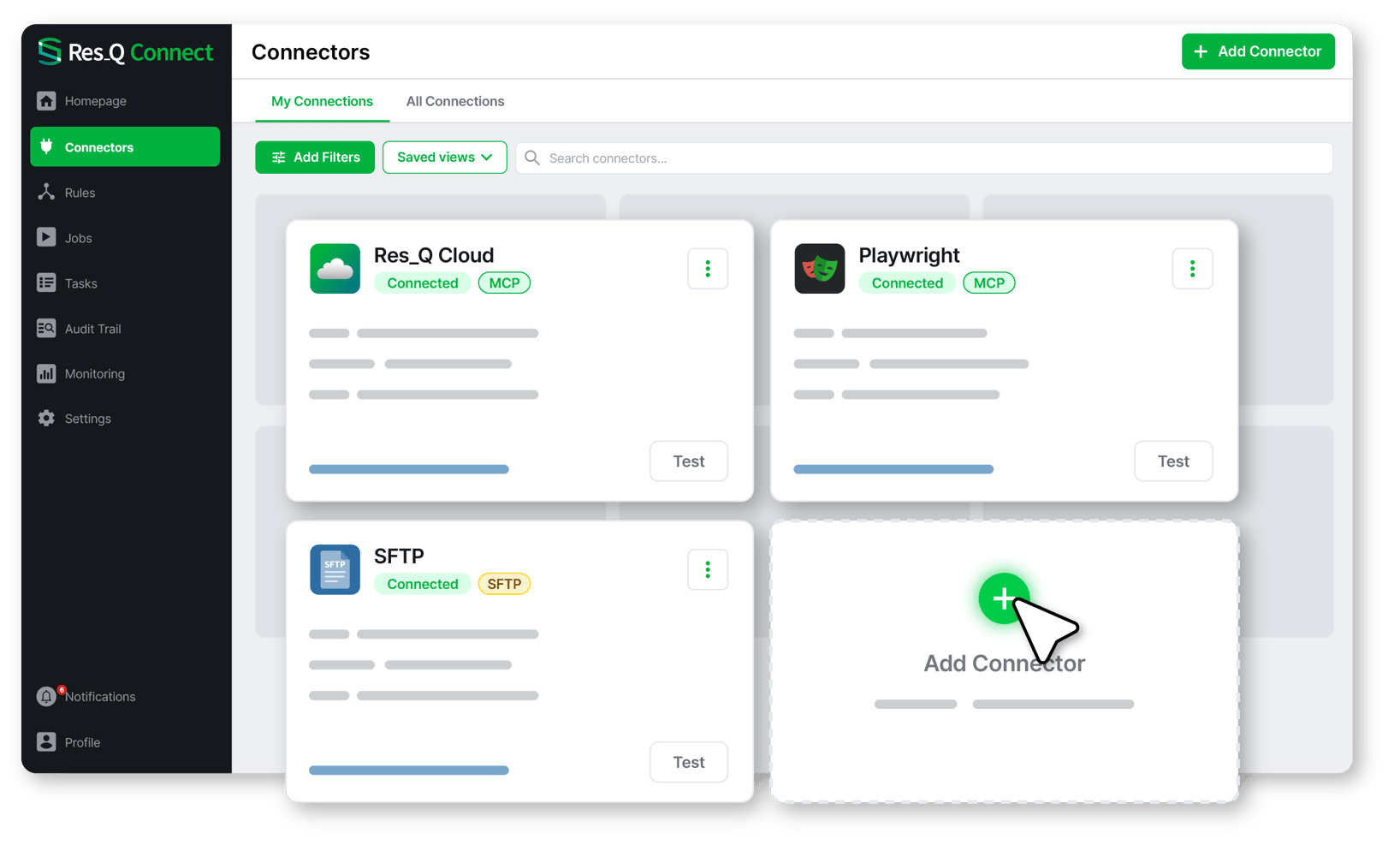
As AI agents take on more complex workflows, they need reliable ways to access and exchange information across systems. Model Context Protocols (MCPs) are emerging as one way to make that possible, giving AI applications a standardized way to interact with data and tools.
For Life Sciences, that could mean fewer manual handoffs, better communication between systems, and less repetitive data entry. Instead of spending time moving information between systems, your teams can focus more on overseeing the workflows, controls, and validation that make those systems trustworthy.
The bigger opportunity is a shift from managing paperwork to managing intelligent, connected workflows—without losing the traceability and control that regulated environments require.
Regulators in the EU, Singapore, and beyond are increasingly emphasizing AI literacy. You don't need a team of data scientists, but your people do need to understand how AI works, how the tools you use make decisions, and how to deploy them responsibly.
The best way to build that literacy is through practice: give employees access to approved AI tools, encourage hands-on experimentation, and create safe environments where they can learn without introducing unnecessary risk. At the same time, keep up with regulatory guidance and prioritize transparency and explainability when evaluating AI tools.
Closing the technology adoption gap requires treating technology, compliance, and workforce readiness as one unified challenge. The priorities are clear:
Modernize your data architecture by reducing silos and enabling real-time data flows.
Connect your systems with APIs and emerging agent-based technologies.
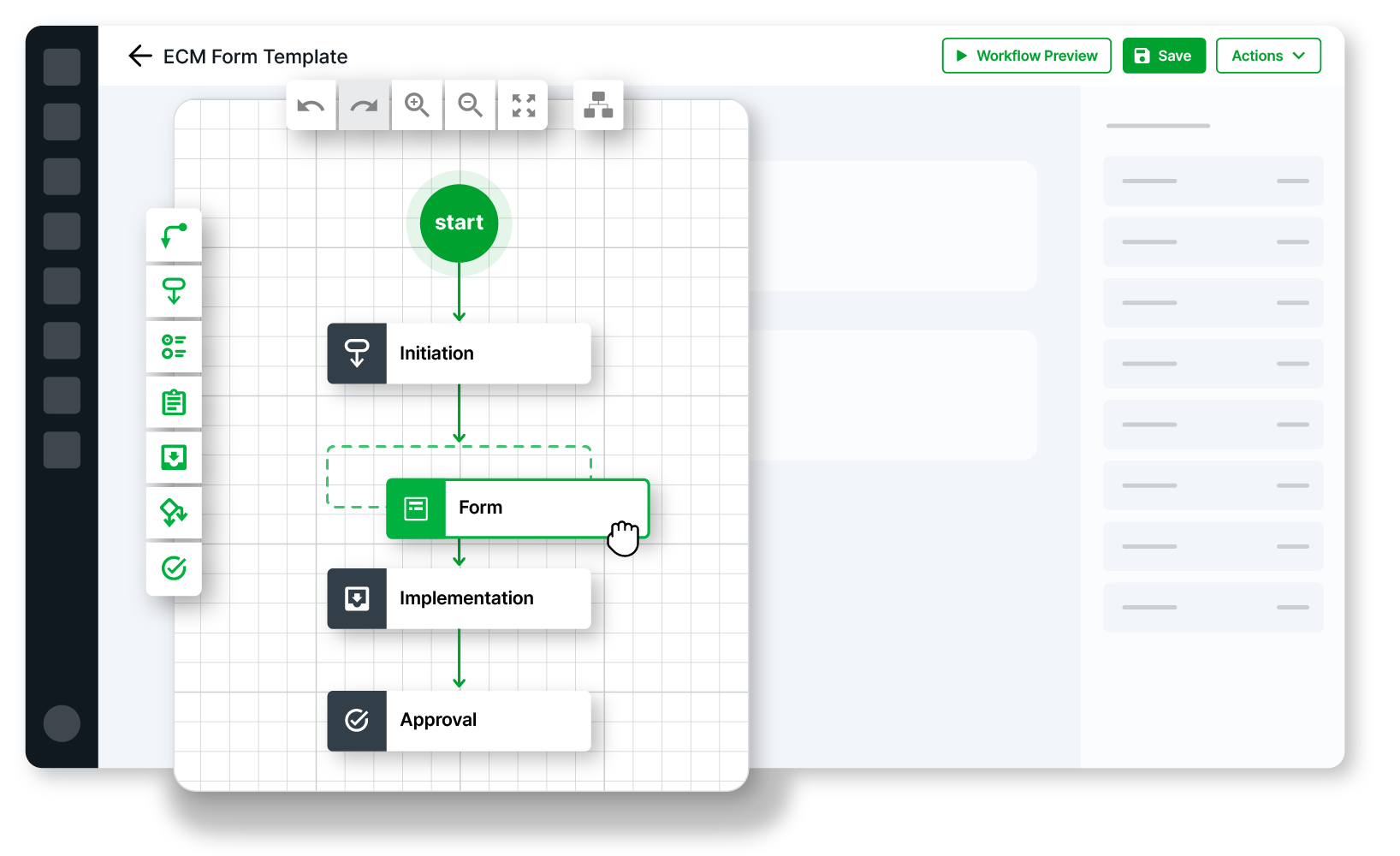
Build compliance into workflows rather than layering it on afterward.
Develop AI literacy through practical, hands-on training.
Create room for safe experimentation so your teams can discover new use cases.
Stay ahead of emerging regulation, particularly around AI accountability and explainability.
Learn from other industries that have already navigated similar technology shifts.
What stood out to both of us is that you don't have to wait for every regulatory detail to be finalized before you start. Other industries have shown us the value of experimenting responsibly, learning quickly, and building the infrastructure needed to scale. For Life Sciences, we can start by looking at where manual handoffs and disconnected systems are slowing us down—and use those gaps as opportunities to build something better.