Manage continuous software updates with AI assistance, while staying audit-ready.

Equipment validation, built on a single system of record
Embrace agentic workflows for trend identification, predictive maintenance, and improved compliance, all anchored in one system of record.
Pharmaceutical Equipment Validation Services
From reactive improvement to continuous excellence
Pharmaceutical equipment validation confirms that manufacturing and laboratory equipment performs reliably for its intended use. Res_Q unifies equipment qualification, calibration, and change management in one system of record, with agentic AI for scalable trend ID and predictive maintenance across every site.

Use cases
Track every asset from FAT through decommissioning in one system of record.
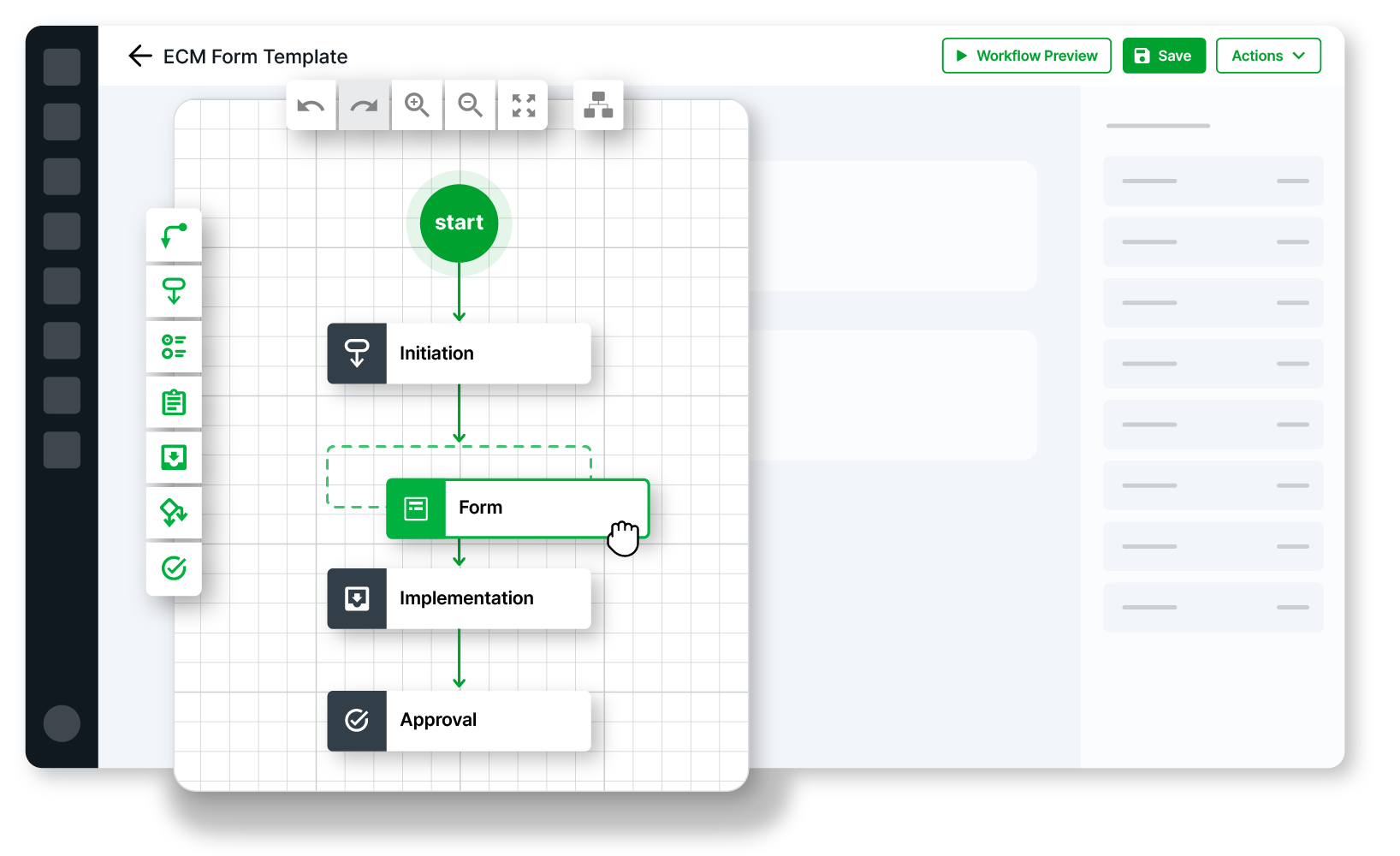
Roll out validated equipment protocols across facilities instantly.
Monitor change with AI agents that flag revalidation needs before they become audit findings.
Agentic AI converts SME walkthrough videos to executable scripts automatically.
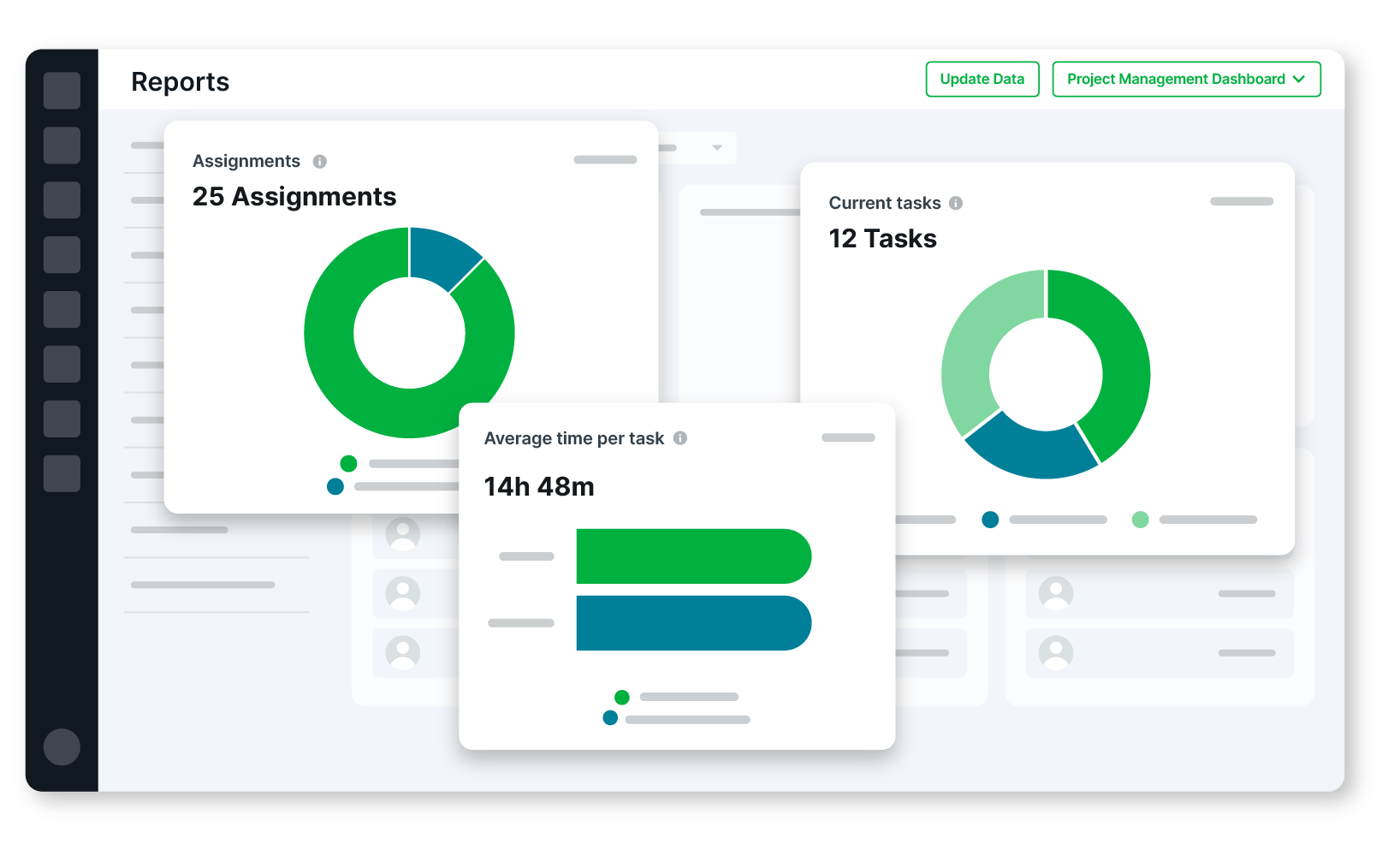
Understand equipment validation status at a glance. Know what needs attention today.
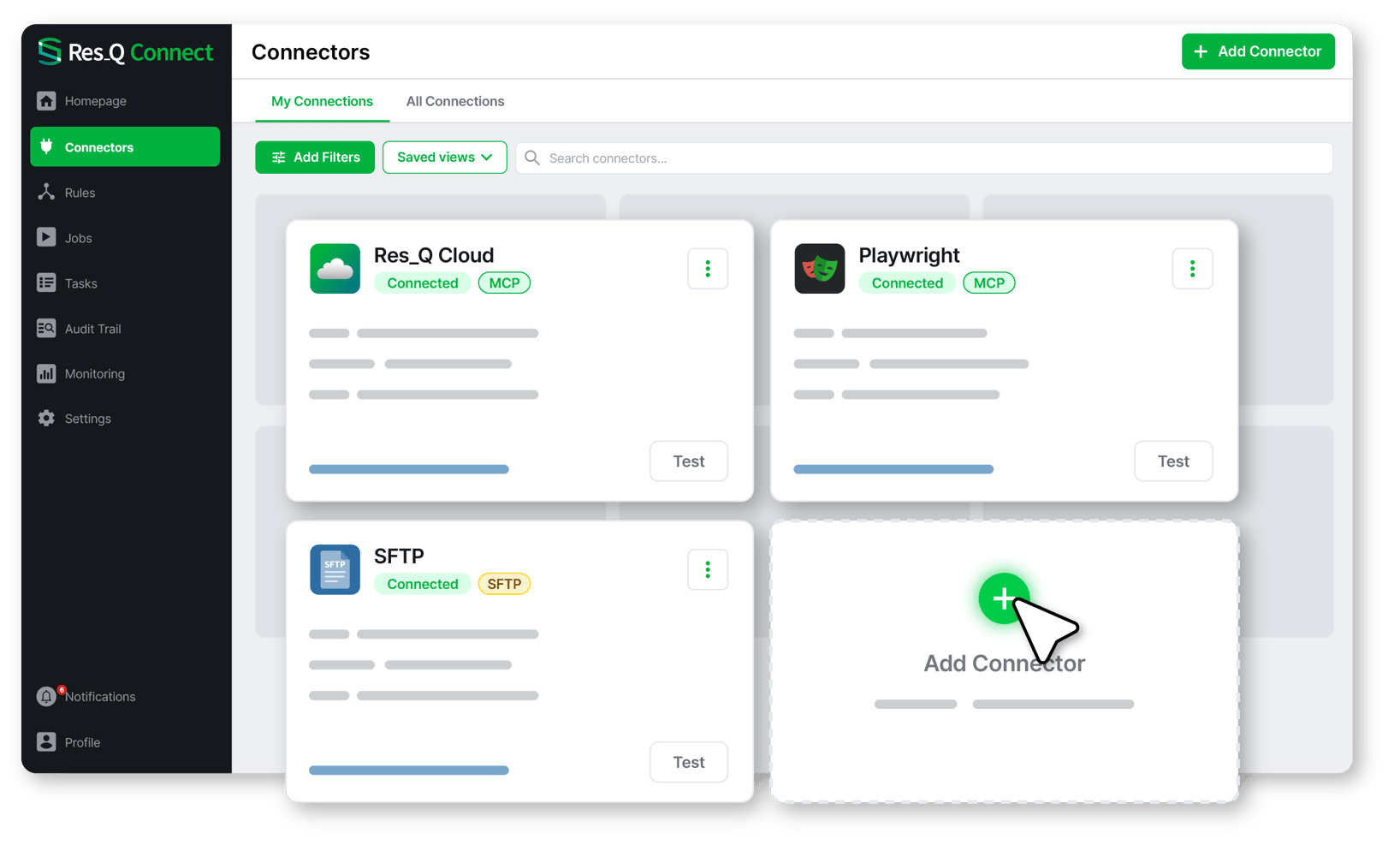
Automate alerts before calibrations expire and integrate with your CMMS through Res_Q Connect.

The smart factory isn't coming. It's here.
The journey from paper-based to autonomous operations requires validation that evolves with your digital maturity: real-time operational control, mass customization without sacrificing efficiency, and GMP embedded from the start. Build an agentic AI-powered ecosystem that scales from your first connected sensor to a fully autonomous production line.

"We highly recommend Res_Q for its simplicity and effectiveness. [The] software is exceptionally user-friendly, enabling streamlined audits through controlled auditor access. All validation activities are consolidated within a single app, ensuring consistency and transparency. The prebuilt templates simplify implementation and promote uniform validation processes."
Jim H | Director of Quality


FAQs
What are the key stages of equipment validation in the pharmaceutical industry
The standard stages are Design Qualification (DQ), Installation Qualification (IQ), Operational Qualification (OQ), and Performance Qualification (PQ). DQ confirms the design meets the user requirements before anything is built or installed. IQ verifies the equipment arrived and was set up correctly. OQ confirms it operates as intended across its full operating range. PQ goes one step further, demonstrating that the equipment consistently delivers acceptable results under real production conditions. Some organizations also include Factory Acceptance Testing (FAT) and Site Acceptance Testing (SAT) before IQ begins.
What are the FDA requirements for validating pharmaceutical equipment?
The main regulation is 21 CFR Part 211, which requires that manufacturing equipment be appropriately designed, adequately sized, and consistently maintained. Validation is expected to produce documented protocols and reports showing the equipment performs within its intended parameters. The FDA's 2011 Process Validation Guidance adds a lifecycle lens to this, covering process design, qualification, and continued process verification rather than treating validation as a one-time project. If computerized systems are involved, 21 CFR Part 11 also applies.
What regulations apply to pharmaceutical equipment validation?
The main frameworks are 21 CFR Part 211 for finished pharmaceuticals, EU GMP Annex 15 for qualification and validation, ICH Q7 for active pharmaceutical ingredients, and GAMP 5 for any computerized components. Medical device manufacturers follow 21 CFR Part 820 instead. Calibration is typically governed by ISO 17025 or the relevant USP chapters depending on the instrument. For organizations looking to streamline compliance across all of these requirements, life sciences process optimization services can help standardize and automate how validation workflows are managed.
Explore more use cases